Norwegian Forest cat insurance
Bushy tail, big charm! Napo's lifetime Norwegian Forest cat insurance includes dental treatment as standard, unlimited 24/7 video vet appointments via FirstVet, and payments made straight to your vet.

Norwegian Forest cat insurance
Bushy tail, big charm! Napo's lifetime Norwegian Forest cat insurance includes dental treatment as standard, unlimited 24/7 video vet appointments via FirstVet, and payments made straight to your vet.
Norwegian Forest cat insurance
Bushy tail, big charm! Napo's lifetime Norwegian Forest cat insurance includes dental treatment as standard, unlimited 24/7 video vet appointments via FirstVet, and payments made straight to your vet.
Norwegian Forest cat quick facts
Meet the “Skogkatt”, your fluffy new friend. Once loved by Vikings for controlling vermin on their ships, the Norwegian Forest cat is calm and playful, but can be prone to heart and joint conditions as they get older.
Size & weight:
Large, around 5.4-10kg for males, 3.5-7kg for females
Coat:
Long, thick and water-resistant double coat, sheds heavily (especially in summer during seasonal moults)
Activity level:
Moderate
Lifespan:
14-16 years
Breed group:
Semi-longhair
Temperament:
Calm, gentle, independent
Norwegian Forest cat quick facts
Meet the “Skogkatt”, your fluffy new friend. Once loved by Vikings for controlling vermin on their ships, the Norwegian Forest cat is calm and playful, but can be prone to heart and joint conditions as they get older.
Size & weight:
Large, around 5.4-10kg for males, 3.5-7kg for females
Coat:
Long, thick and water-resistant double coat, sheds heavily (especially in summer during seasonal moults)
Activity level:
Moderate
Lifespan:
14-16 years
Breed group:
Semi-longhair
Temperament:
Calm, gentle, independent
Norwegian Forest cat quick facts
Meet the “Skogkatt”, your fluffy new friend. Once loved by Vikings for controlling vermin on their ships, the Norwegian Forest cat is calm and playful, but can be prone to heart and joint conditions as they get older.
Size & weight:
Large, around 5.4-10kg for males, 3.5-7kg for females
Coat:
Long, thick and water-resistant double coat, sheds heavily (especially in summer during seasonal moults)
Activity level:
Moderate
Lifespan:
14-16 years
Breed group:
Semi-longhair
Temperament:
Calm, gentle, independent
Norwegian Forest cat temperament & personality
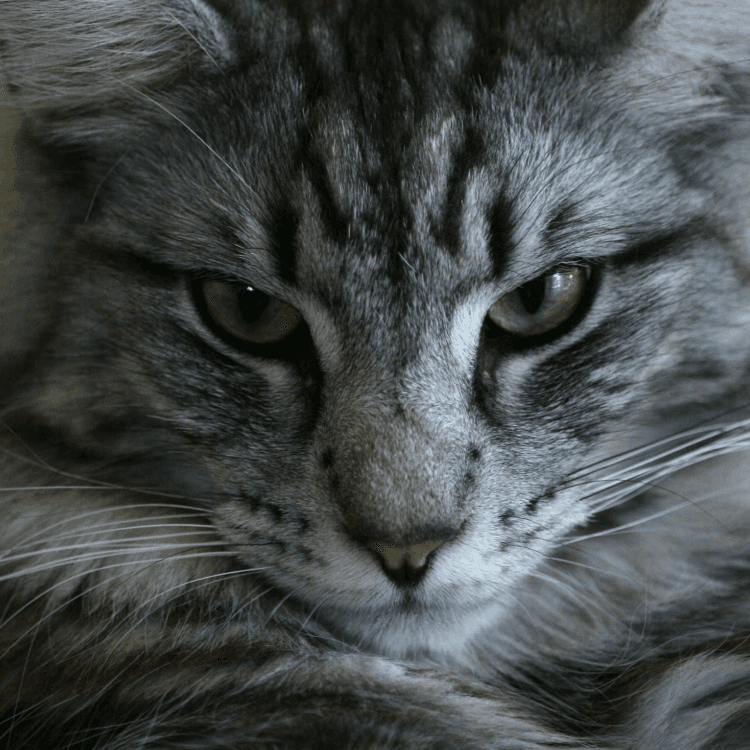
Affectionately known as the “Wegie”, the Norwegian Forest cat makes a friendly family pet. They love to be around their humans, but may be more reserved around strangers. Typically, Norwegian Forest cats are quiet and undemanding of attention - but don’t be surprised if they chirp up around feeding time!
Their calm, independent streak means they’re perfectly happy entertaining themselves if left alone during the day, provided they have plenty of toys and a strong climbing frame or cat tree that can support their size and weight.
They mature slowly, often retaining a kitten-like playfulness well into adulthood!
Norwegian Forest cat temperament & personality
Affectionately known as the “Wegie”, the Norwegian Forest cat makes a friendly family pet. They love to be around their humans, but may be more reserved around strangers. Typically, Norwegian Forest cats are quiet and undemanding of attention - but don’t be surprised if they chirp up around feeding time!
Their calm, independent streak means they’re perfectly happy entertaining themselves if left alone during the day, provided they have plenty of toys and a strong climbing frame or cat tree that can support their size and weight.
They mature slowly, often retaining a kitten-like playfulness well into adulthood!
Norwegian Forest cat temperament & personality
Affectionately known as the “Wegie”, the Norwegian Forest cat makes a friendly family pet. They love to be around their humans, but may be more reserved around strangers. Typically, Norwegian Forest cats are quiet and undemanding of attention - but don’t be surprised if they chirp up around feeding time!
Their calm, independent streak means they’re perfectly happy entertaining themselves if left alone during the day, provided they have plenty of toys and a strong climbing frame or cat tree that can support their size and weight.
They mature slowly, often retaining a kitten-like playfulness well into adulthood!
Norwegian Forest cat training and exercise needs
Norwegian Forest cats are reasonably active, enjoying climbing and regular interactive play. While they aren’t an especially high-energy breed, they appreciate being outdoors and having space to explore.
Their intelligence and history as skilled hunters mean they tend to enjoy puzzle feeders and foraging-style toys that give them a job to do alongside play.
Norwegian Forest cats also love fishing, so make sure any bowls, ponds or aquariums housing beloved pet fish are well out of reach - especially if your cat’s left at home alone!

Norwegian Forest cat training and exercise needs
Norwegian Forest cats are reasonably active, enjoying climbing and regular interactive play. While they aren’t an especially high-energy breed, they appreciate being outdoors and having space to explore.
Their intelligence and history as skilled hunters mean they tend to enjoy puzzle feeders and foraging-style toys that give them a job to do alongside play.
Norwegian Forest cats also love fishing, so make sure any bowls, ponds or aquariums housing beloved pet fish are well out of reach - especially if your cat’s left at home alone!
Norwegian Forest cat training and exercise needs
Norwegian Forest cats are reasonably active, enjoying climbing and regular interactive play. While they aren’t an especially high-energy breed, they appreciate being outdoors and having space to explore.
Their intelligence and history as skilled hunters mean they tend to enjoy puzzle feeders and foraging-style toys that give them a job to do alongside play.
Norwegian Forest cats also love fishing, so make sure any bowls, ponds or aquariums housing beloved pet fish are well out of reach - especially if your cat’s left at home alone!

Norwegian Forest cat grooming
Norwegian Forest cats come in a range of colours and patterns, with their solid coat colours typically being black, white, blue, red, or cream. But chocolate and lilac, cinnamon and fawn, apricot and caramel, and Siamese points (dark faces and features) aren’t recognised under the breed standard.
Despite their long coat, Norwegian Forest cats are relatively easy to groom, only needing a thorough brush two to three times a week to prevent matting, especially around the belly and legs.
Their coat sheds heavily - even more so during seasonal moults - so more frequent brushing will help keep them tidy during the summer months.
Norwegian Forest cat grooming
Norwegian Forest cats come in a range of colours and patterns, with their solid coat colours typically being black, white, blue, red, or cream. But chocolate and lilac, cinnamon and fawn, apricot and caramel, and Siamese points (dark faces and features) aren’t recognised under the breed standard.
Despite their long coat, Norwegian Forest cats are relatively easy to groom, only needing a thorough brush two to three times a week to prevent matting, especially around the belly and legs.
Their coat sheds heavily - even more so during seasonal moults - so more frequent brushing will help keep them tidy during the summer months.
Norwegian Forest cat grooming
Norwegian Forest cats come in a range of colours and patterns, with their solid coat colours typically being black, white, blue, red, or cream. But chocolate and lilac, cinnamon and fawn, apricot and caramel, and Siamese points (dark faces and features) aren’t recognised under the breed standard.
Despite their long coat, Norwegian Forest cats are relatively easy to groom, only needing a thorough brush two to three times a week to prevent matting, especially around the belly and legs.
Their coat sheds heavily - even more so during seasonal moults - so more frequent brushing will help keep them tidy during the summer months.
What health conditions are Norwegian Forest cats prone to?
Generally, Norwegian Forest cats are a healthy, robust breed. That said, their large size and genetics can make them prone to certain health issues worth knowing about before bringing one home.
Common conditions include joint problems, heart disease, and eye infections.
Insure your Norwegian Forest cat with Napo now to keep them covered for life.
Heart disease (HCM)
Norwegian Forest cats can be more likely to develop hypertrophic cardiomyopathy (HCM), where the heart muscle thickens over time. Regular vet checks, including listening for a heart murmur, help pick up early signs.
Hip dysplasia
Their large, heavy-boned frame puts more strain on the hip joints than in smaller cat breeds, so keeping your Norwegian Forest cat a healthy weight is one of the most effective ways to support their joints long-term.
Eye infections
The Norwegian Forest Cat can be prone to conjunctivitis, glaucoma and retinal dysplasia, the last of which can occur when they're in the womb or newly born kittens. Check their eyes regularly for any sign of discomfort or irritation and speak to a vet if you’re worried.
Other things to keep an eye on
Glycogen storage disease - a rare but serious inherited condition affecting how the body processes energy, usually identified in kittens and traceable with DNA testing
Pyruvate kinase deficiency (PKD) - a hereditary condition affecting red blood cells and causing tiredness, which your breeder can check for with genetic testing
Dental disease - Napo pet insurance includes dental cover as standard, as long as you take your Norwegian Forest cat for annual dental check-ups

What health conditions are Norwegian Forest cats prone to?
Generally, Norwegian Forest cats are a healthy, robust breed. That said, their large size and genetics can make them prone to certain health issues worth knowing about before bringing one home.
Common conditions include joint problems, heart disease, and eye infections.
Insure your Norwegian Forest cat with Napo now to keep them covered for life.
Heart disease (HCM)
Norwegian Forest cats can be more likely to develop hypertrophic cardiomyopathy (HCM), where the heart muscle thickens over time. Regular vet checks, including listening for a heart murmur, help pick up early signs.
Hip dysplasia
Their large, heavy-boned frame puts more strain on the hip joints than in smaller cat breeds, so keeping your Norwegian Forest cat a healthy weight is one of the most effective ways to support their joints long-term.
Eye infections
The Norwegian Forest Cat can be prone to conjunctivitis, glaucoma and retinal dysplasia, the last of which can occur when they're in the womb or newly born kittens. Check their eyes regularly for any sign of discomfort or irritation and speak to a vet if you’re worried.
Other things to keep an eye on
Glycogen storage disease - a rare but serious inherited condition affecting how the body processes energy, usually identified in kittens and traceable with DNA testing
Pyruvate kinase deficiency (PKD) - a hereditary condition affecting red blood cells and causing tiredness, which your breeder can check for with genetic testing
Dental disease - Napo pet insurance includes dental cover as standard, as long as you take your Norwegian Forest cat for annual dental check-ups
What health conditions are Norwegian Forest cats prone to?
Generally, Norwegian Forest cats are a healthy, robust breed. That said, their large size and genetics can make them prone to certain health issues worth knowing about before bringing one home.
Common conditions include joint problems, heart disease, and eye infections.
Insure your Norwegian Forest cat with Napo now to keep them covered for life.
Heart disease (HCM)
Norwegian Forest cats can be more likely to develop hypertrophic cardiomyopathy (HCM), where the heart muscle thickens over time. Regular vet checks, including listening for a heart murmur, help pick up early signs.
Hip dysplasia
Their large, heavy-boned frame puts more strain on the hip joints than in smaller cat breeds, so keeping your Norwegian Forest cat a healthy weight is one of the most effective ways to support their joints long-term.
Eye infections
The Norwegian Forest Cat can be prone to conjunctivitis, glaucoma and retinal dysplasia, the last of which can occur when they're in the womb or newly born kittens. Check their eyes regularly for any sign of discomfort or irritation and speak to a vet if you’re worried.
Other things to keep an eye on
Glycogen storage disease - a rare but serious inherited condition affecting how the body processes energy, usually identified in kittens and traceable with DNA testing
Pyruvate kinase deficiency (PKD) - a hereditary condition affecting red blood cells and causing tiredness, which your breeder can check for with genetic testing
Dental disease - Napo pet insurance includes dental cover as standard, as long as you take your Norwegian Forest cat for annual dental check-ups

How much does Norwegian Forest cat insurance cost?
The cost of insuring a Norwegian Forest cat depends on their age and the level of vet fee cover you choose. Napo's lifetime cover limits range from £2,000 to £16,000 a year, so you can pick what you need for your cat and budget.
As they get older, Norwegian Forest cats may develop health conditions like hip dysplasia and heart disease that need ongoing care, not just one-off treatment - but that's exactly what lifetime pet insurance is built for.
How much does Norwegian Forest cat insurance cost?
The cost of insuring a Norwegian Forest cat depends on their age and the level of vet fee cover you choose. Napo's lifetime cover limits range from £2,000 to £16,000 a year, so you can pick what you need for your cat and budget.
As they get older, Norwegian Forest cats may develop health conditions like hip dysplasia and heart disease that need ongoing care, not just one-off treatment - but that's exactly what lifetime pet insurance is built for.
How much does Norwegian Forest cat insurance cost?
The cost of insuring a Norwegian Forest cat depends on their age and the level of vet fee cover you choose. Napo's lifetime cover limits range from £2,000 to £16,000 a year, so you can pick what you need for your cat and budget.
As they get older, Norwegian Forest cats may develop health conditions like hip dysplasia and heart disease that need ongoing care, not just one-off treatment - but that's exactly what lifetime pet insurance is built for.
Norwegian Forest cat FAQs
How big do Norwegian Forest cats get?
Norwegian Forest cats are one of the largest domestic breeds, with males weighing up to 9kg. Their thick double coat makes them look even bigger, and they can take up to 5 years to reach full size. With their long bodies and bushy tails, they can measure up to 90cm from nose to tail.
Are Norwegian Forest cats good for first-time owners?
Yes! Their easygoing nature suits owners who want an interactive but not overly demanding cat, provided you're prepared for all the grooming that lovely long coat needs.
Do Norwegian Forest cats like water?
Generally, yes! Many Norwegian Forest cats show real curiosity around water, from dripping taps to the bath. It's thought to be linked to their water-resistant double coat, which evolved to cope with the wet, cold conditions of their native Scandinavia.
Do Norwegian Forest cats need to go outside?
Not necessarily, though their climbing instinct means an indoor Norwegian Forest cat needs plenty of vertical space and things to explore.
Are Norwegian Forest cats hypoallergenic?
No cat breed is truly hypoallergenic, and Norwegian Forest cats are no exception. Their thick double coat can trigger allergies as much as any other breed!
How is a Norwegian Forest cat different from a Maine Coon?
These breeds are often mistaken for one another, but Norwegian Forest Cats tend to have a slightly finer build, with a distinct triangular head shape and a woollier undercoat, having developed separately in Scandinavia rather than North America.
Norwegian Forest cat FAQs
How big do Norwegian Forest cats get?
Norwegian Forest cats are one of the largest domestic breeds, with males weighing up to 9kg. Their thick double coat makes them look even bigger, and they can take up to 5 years to reach full size. With their long bodies and bushy tails, they can measure up to 90cm from nose to tail.
Are Norwegian Forest cats good for first-time owners?
Yes! Their easygoing nature suits owners who want an interactive but not overly demanding cat, provided you're prepared for all the grooming that lovely long coat needs.
Do Norwegian Forest cats like water?
Generally, yes! Many Norwegian Forest cats show real curiosity around water, from dripping taps to the bath. It's thought to be linked to their water-resistant double coat, which evolved to cope with the wet, cold conditions of their native Scandinavia.
Do Norwegian Forest cats need to go outside?
Not necessarily, though their climbing instinct means an indoor Norwegian Forest cat needs plenty of vertical space and things to explore.
Are Norwegian Forest cats hypoallergenic?
No cat breed is truly hypoallergenic, and Norwegian Forest cats are no exception. Their thick double coat can trigger allergies as much as any other breed!
How is a Norwegian Forest cat different from a Maine Coon?
These breeds are often mistaken for one another, but Norwegian Forest Cats tend to have a slightly finer build, with a distinct triangular head shape and a woollier undercoat, having developed separately in Scandinavia rather than North America.
Norwegian Forest cat FAQs
How big do Norwegian Forest cats get?
Norwegian Forest cats are one of the largest domestic breeds, with males weighing up to 9kg. Their thick double coat makes them look even bigger, and they can take up to 5 years to reach full size. With their long bodies and bushy tails, they can measure up to 90cm from nose to tail.
Are Norwegian Forest cats good for first-time owners?
Yes! Their easygoing nature suits owners who want an interactive but not overly demanding cat, provided you're prepared for all the grooming that lovely long coat needs.
Do Norwegian Forest cats like water?
Generally, yes! Many Norwegian Forest cats show real curiosity around water, from dripping taps to the bath. It's thought to be linked to their water-resistant double coat, which evolved to cope with the wet, cold conditions of their native Scandinavia.
Do Norwegian Forest cats need to go outside?
Not necessarily, though their climbing instinct means an indoor Norwegian Forest cat needs plenty of vertical space and things to explore.
Are Norwegian Forest cats hypoallergenic?
No cat breed is truly hypoallergenic, and Norwegian Forest cats are no exception. Their thick double coat can trigger allergies as much as any other breed!
How is a Norwegian Forest cat different from a Maine Coon?
These breeds are often mistaken for one another, but Norwegian Forest Cats tend to have a slightly finer build, with a distinct triangular head shape and a woollier undercoat, having developed separately in Scandinavia rather than North America.

A note from Napo, our original founder
Hi! I’m Napoleon, but everyone calls me Napo. Like all small Dachshunds, I’m remembered for my enormous personality.
My owner JP (the human founder of Napo) struggled to find good insurance to cover my health needs as I got older. And he loved me so much that when we had to say goodbye, he created an inclusive pet insurance company in my memory 💙
A note from Napo, our original founder
Hi! I’m Napoleon, but everyone calls me Napo. Like all small Dachshunds, I’m remembered for my enormous personality.
My owner JP (the human founder of Napo) struggled to find good insurance to cover my health needs as I got older. And he loved me so much that when we had to say goodbye, he created an inclusive pet insurance company in my memory 💙
A note from Napo, our original founder
Hi! I’m Napoleon, but everyone calls me Napo. Like all small Dachshunds, I’m remembered for my enormous personality.
My owner JP (the human founder of Napo) struggled to find good insurance to cover my health needs as I got older. And he loved me so much that when we had to say goodbye, he created an inclusive pet insurance company in my memory 💙