Bichon Frise insurance
Bichon Frise insurance
Small dog, big personality! Napo's lifetime Bichon Frise insurance includes dental treatment as standard, unlimited 24/7 video vet appointments through FirstVet, and payments made straight to your vet.
Small dog, big personality! Napo's lifetime Bichon Frise insurance includes dental treatment as standard, unlimited 24/7 video vet appointments through FirstVet, and payments made straight to your vet.

Bichon Frise quick facts
Bichon Frise quick facts
Meet your new favourite fluffball. The Bichon Frise is cheerful, loving and brilliant with families. They're generally healthy and long-living, but can be prone to skin, dental and hormone conditions as they get older.
Join over 100,000 pet parents who’ve trusted us to care for the hairiest members of their household
Size & weight:
Small, around 5-8kg
Coat:
Soft, curly, needs regular grooming
Exercise
Up to 30 minutes a day
Lifespan:
12-15 years
Breed group:
Toy
Temperament:
Affectionate, playful, sociable

Bichon Frise temperament & personality
Bichon Frise temperament & personality
Bichon Frise are gentle, playful dogs who love company! Bright and eager to please, they bond easily with others and usually get on well with children and other pets.
Being such sociable dogs, Bichons can be quite vocal! Training and early socialising will help them settle in.
As they thrive on being around their humans, they aren’t fans of being left alone for long stretches, and may struggle with separation anxiety.
Bichon Frise are gentle, playful dogs who love company! Bright and eager to please, they bond easily with others and usually get on well with children and other pets.
Being such sociable dogs, Bichons can be quite vocal! Training and early socialising will help them settle in.
As they thrive on being around their humans, they aren’t fans of being left alone for long stretches, and may struggle with separation anxiety.
Bichon Frise training and exercise needs
Bichon Frise training and exercise needs
Bichon Frise are bright and eager to please, so they usually take well to training. Use a gentle, positive approach and reward consistency. Housetraining can take a bit of patience in the early weeks.
As they’re such sociable little dogs, Bichons respond best to short, upbeat sessions rather than anything strict. Mainly, they just love spending time with you!
They don’t need much exercise. A couple of short walks a day and some playtime is usually enough to keep them happy and settled.
Bichon Frise are bright and eager to please, so they usually take well to training. Use a gentle, positive approach and reward consistency. Housetraining can take a bit of patience in the early weeks.
As they’re such sociable little dogs, Bichons respond best to short, upbeat sessions rather than anything strict. Mainly, they just love spending time with you!
They don’t need much exercise. A couple of short walks a day and some playtime is usually enough to keep them happy and settled.


Bichon Frise grooming
Bichon Frise grooming
The Bichon Frise’s soft, curly coat means they’re less likely to shed hair than other dog breeds, making them a preferable choice for people with allergies. While adults have white fur, Bichon Frise puppies can have overtones of cream, buff, grey, or apricot.
They need daily brushing to stop their fur matting, along with a professional groom every few weeks - especially in the warmer months! Gently cleaning around their eyes also helps to manage tear staining, common with this breed.
As grooming is routine care, it isn’t covered by pet insurance. Worth knowing when you’re totting up the cost of owning a Bichon!
The Bichon Frise’s soft, curly coat means they’re less likely to shed hair than other dog breeds, making them a preferable choice for people with allergies. While adults have white fur, Bichon Frise puppies can have overtones of cream, buff, grey, or apricot.
They need daily brushing to stop their fur matting, along with a professional groom every few weeks - especially in the warmer months! Gently cleaning around their eyes also helps to manage tear staining, common with this breed.
As grooming is routine care, it isn’t covered by pet insurance. Worth knowing when you’re totting up the cost of owning a Bichon!
What health conditions are Bichon Frise prone to?
What health conditions are Bichon Frise prone to?
Generally, the Bichon Frise is a healthy, happy, long-living dog. That said, they’re prone to certain health issues worth knowing about before bringing one home.
Common conditions include skin allergies, knee injuries, dental disease, and hormone conditions like Cushing’s disease and diabetes.
Insure your Bichon Frise with Napo now to keep them covered for life.
Generally, the Bichon Frise is a healthy, happy, long-living dog. That said, they’re prone to certain health issues worth knowing about before bringing one home.
Common conditions include skin allergies, knee injuries, dental disease, and hormone conditions like Cushing’s disease and diabetes.
Insure your Bichon Frise with Napo now to keep them covered for life.
Skin conditions and allergies
Skin problems are one of the most commonly treated issues in Bichon Frise. Allergies can cause itching, irritation and repeat trips to the vet. Your Bichon may need long-term treatment to help manage the symptoms.
Skin conditions and allergies
Skin problems are one of the most commonly treated issues in Bichon Frise. Allergies can cause itching, irritation and repeat trips to the vet. Your Bichon may need long-term treatment to help manage the symptoms.
Cushing’s disease and diabetes
Bichon Frise are more prone than most breeds to hormone conditions. Cushing's disease (where the body makes too much of a stress hormone) and diabetes can appear in middle-aged and older dogs, with both usually needing life-long care.
Cushing’s disease and diabetes
Bichon Frise are more prone than most breeds to hormone conditions. Cushing's disease (where the body makes too much of a stress hormone) and diabetes can appear in middle-aged and older dogs, with both usually needing life-long care.
Luxating patella
A slipping kneecap is a common joint problem in small breeds like the Bichon Frise, ranging from an occasional mild hop to a more serious issue that needs surgery. Keeping your Bichon at a healthy weight helps take the pressure off their joints.
Luxating patella
A slipping kneecap is a common joint problem in small breeds like the Bichon Frise, ranging from an occasional mild hop to a more serious issue that needs surgery. Keeping your Bichon at a healthy weight helps take the pressure off their joints.
Other things to keep an eye on
Eye conditions - including cataracts and tear staining around the eyes
Bladder stones - which can cause discomfort and need vet treatment
Dental disease - Napo pet insurance includes dental cover as standard, as long as you take your Bichon for annual dental check-ups
Other things to keep an eye on
Eye conditions - including cataracts and tear staining around the eyes
Bladder stones - which can cause discomfort and need vet treatment
Dental disease - Napo pet insurance includes dental cover as standard, as long as you take your Bichon for annual dental check-ups


How much does Bichon Frise insurance cost?
How much does Bichon Frise insurance cost?
The cost of insuring a Bichon Frise depends on their age and the level of vet fee cover you choose. Napo’s lifetime cover limits range from £2,000 to £16,000 a year, so you can pick what you need for your dog and budget.
As they get older, Bichon Frises may develop health conditions like allergies and Cushing’s disease that need ongoing care, not just one-off treatment - but that’s exactly what lifetime pet insurance is built for.
The cost of insuring a Bichon Frise depends on their age and the level of vet fee cover you choose. Napo’s lifetime cover limits range from £2,000 to £16,000 a year, so you can pick what you need for your dog and budget.
As they get older, Bichon Frises may develop health conditions like allergies and Cushing’s disease that need ongoing care, not just one-off treatment - but that’s exactly what lifetime pet insurance is built for.
Bichon Frise FAQs
Bichon Frise FAQs
Do Bichon Frise shed, and are they hypoallergenic?
Bichon Frise are low-shedding and are often described as hypoallergenic, which is part of why they're popular with allergy sufferers. No dog is completely hypoallergenic though - that curly coat needs regular grooming!
Do Bichon Frise shed, and are they hypoallergenic?
Bichon Frise are low-shedding and are often described as hypoallergenic, which is part of why they're popular with allergy sufferers. No dog is completely hypoallergenic though - that curly coat needs regular grooming!
Are Bichon Frise good for first-time owners?
Generally, yes! They're affectionate, adaptable and eager to please, which makes them a forgiving breed to learn with, though their grooming needs are more demanding than many first-time owners expect.
Are Bichon Frise good for first-time owners?
Generally, yes! They're affectionate, adaptable and eager to please, which makes them a forgiving breed to learn with, though their grooming needs are more demanding than many first-time owners expect.
How big do Bichon Frise get?
They're a small breed, typically standing around 23-30cm at the shoulder and weighing between 5-8kg when fully grown.
How big do Bichon Frise get?
They're a small breed, typically standing around 23-30cm at the shoulder and weighing between 5-8kg when fully grown.
Do Bichon Frise get on with cats?
Usually, yes - especially with proper introductions and early socialisation. The Bichon’s sociable, easygoing nature tends to make them one of the more cat-friendly small breeds.
Do Bichon Frise get on with cats?
Usually, yes - especially with proper introductions and early socialisation. The Bichon’s sociable, easygoing nature tends to make them one of the more cat-friendly small breeds.
Are Bichon Frise good apartment dogs?
Yes. Their small size and moderate exercise needs make them well suited to flat living, as long as they get regular walks and plenty of company.
Are Bichon Frise good apartment dogs?
Yes. Their small size and moderate exercise needs make them well suited to flat living, as long as they get regular walks and plenty of company.
Do Bichon Frise bark a lot?
Bichon Frise can be vocal dogs, especially if they're bored, excited or left alone too long - they'll often bark to alert you to visitors! Early training and lots of company help keep them in check.
Do Bichon Frise bark a lot?
Bichon Frise can be vocal dogs, especially if they're bored, excited or left alone too long - they'll often bark to alert you to visitors! Early training and lots of company help keep them in check.
A note from Napo, our original founder
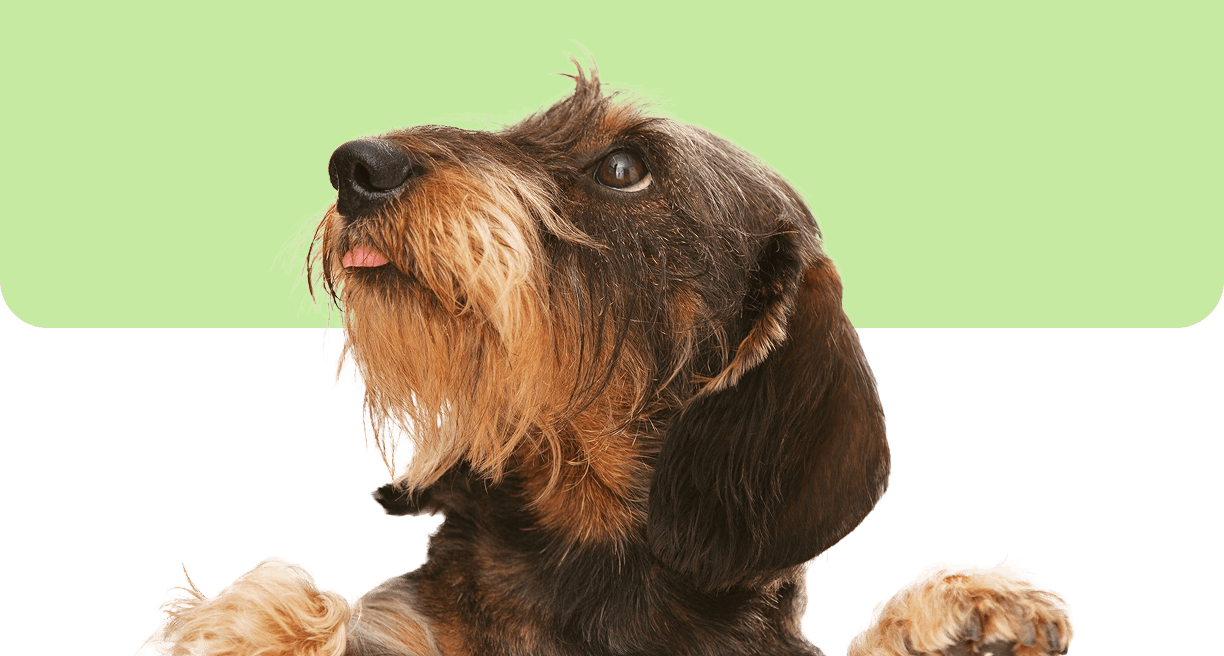
Hi! I’m Napoleon, but everyone calls me Napo. Like all small Dachshunds, I’m remembered for my enormous personality.
My owner JP (the human founder of Napo) struggled to find good insurance to cover my health needs as I got older. And he loved me so much that when we had to say goodbye, he created an inclusive pet insurance company in my memory 💙
A note from Napo, our original founder
Hi! I’m Napoleon, but everyone calls me Napo. Like all small Dachshunds, I’m remembered for my enormous personality.
My owner JP (the human founder of Napo) struggled to find good insurance to cover my health needs as I got older. And he loved me so much that when we had to say goodbye, he created an inclusive pet insurance company in my memory 💙
A note from Napo, our original founder
Hi! I’m Napoleon, but everyone calls me Napo. Like all small Dachshunds, I’m remembered for my enormous personality.
My owner JP (the human founder of Napo) struggled to find good insurance to cover my health needs as I got older. And he loved me so much that when we had to say goodbye, he created an inclusive pet insurance company in my memory 💙