Breed guides
National dog breeds: the World Cup final eight

It’s the quarter-finals of the 2026 World Cup, with just eight nations still in the running to lift the trophy. But who’d win if the tournament was played by furry four-legged ball chasers?
There are no losers in the game of World Cup dog breeds, so we’ll let you decide. Each nation is home to a pup worth celebrating!
🇫🇷 France: French Bulldog
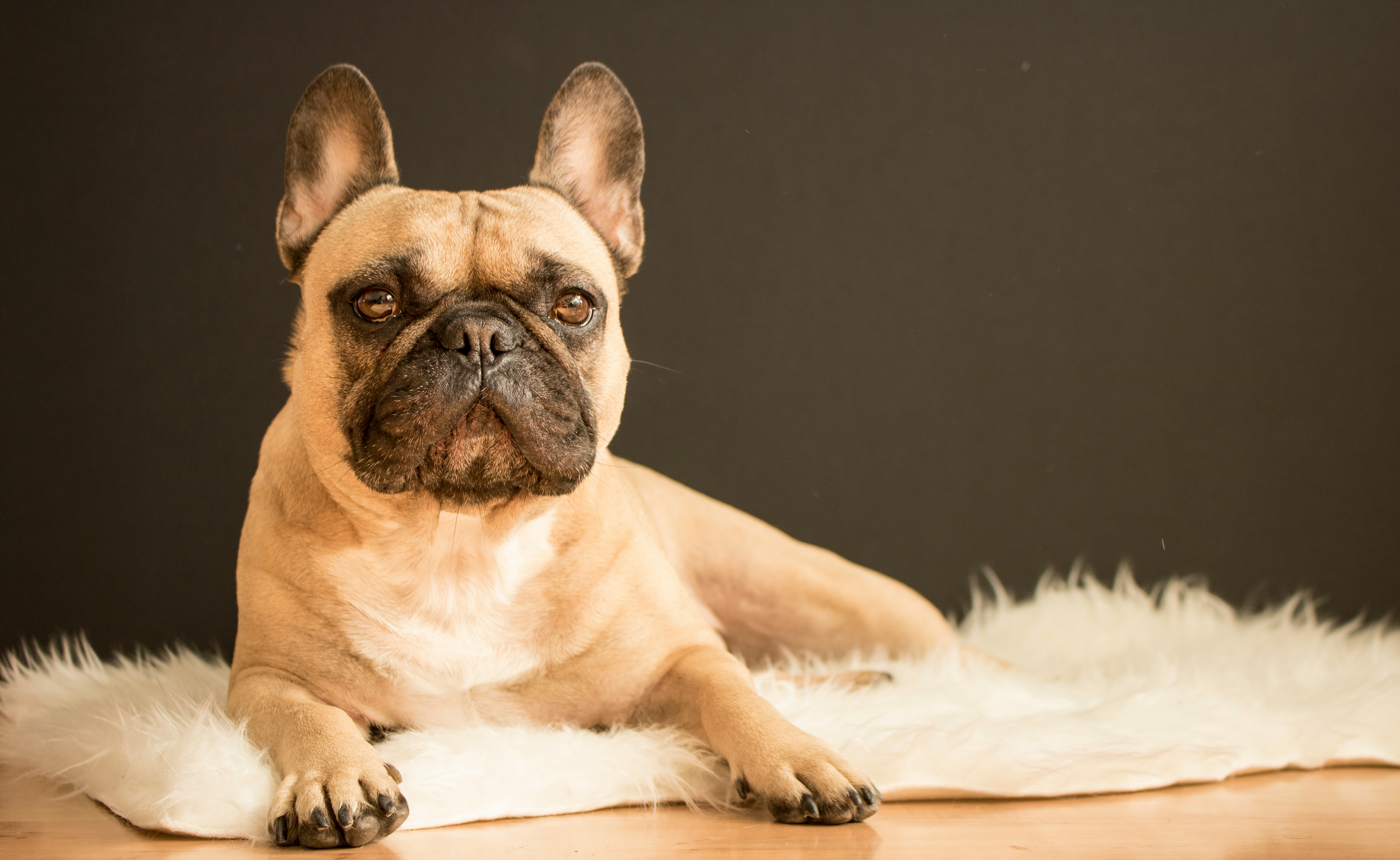
Size: small but solid - typically 8–13kg of pure muscle and mischief
Life expectancy: around 9-12 years
Exercise: about an hour a day suits them
Temperament: affectionate, comical and convinced they're the centre of every room
If you didn’t already know about the French Bulldog’s origin story, here's the twist: the Frenchie's ancestors were miniature bulldogs taken to Normandy by English lace workers in the 1800s. France fell for them, gave them the bat ears, and the rest is history. Essentially, they’re a dual nationality breed!
As a flat-faced breed, Frenchies feel the heat more than most, so take extra care on summer matchday walks. Never walk them if you think the pavement is too hot!
🇲🇦 Morocco: Aidi
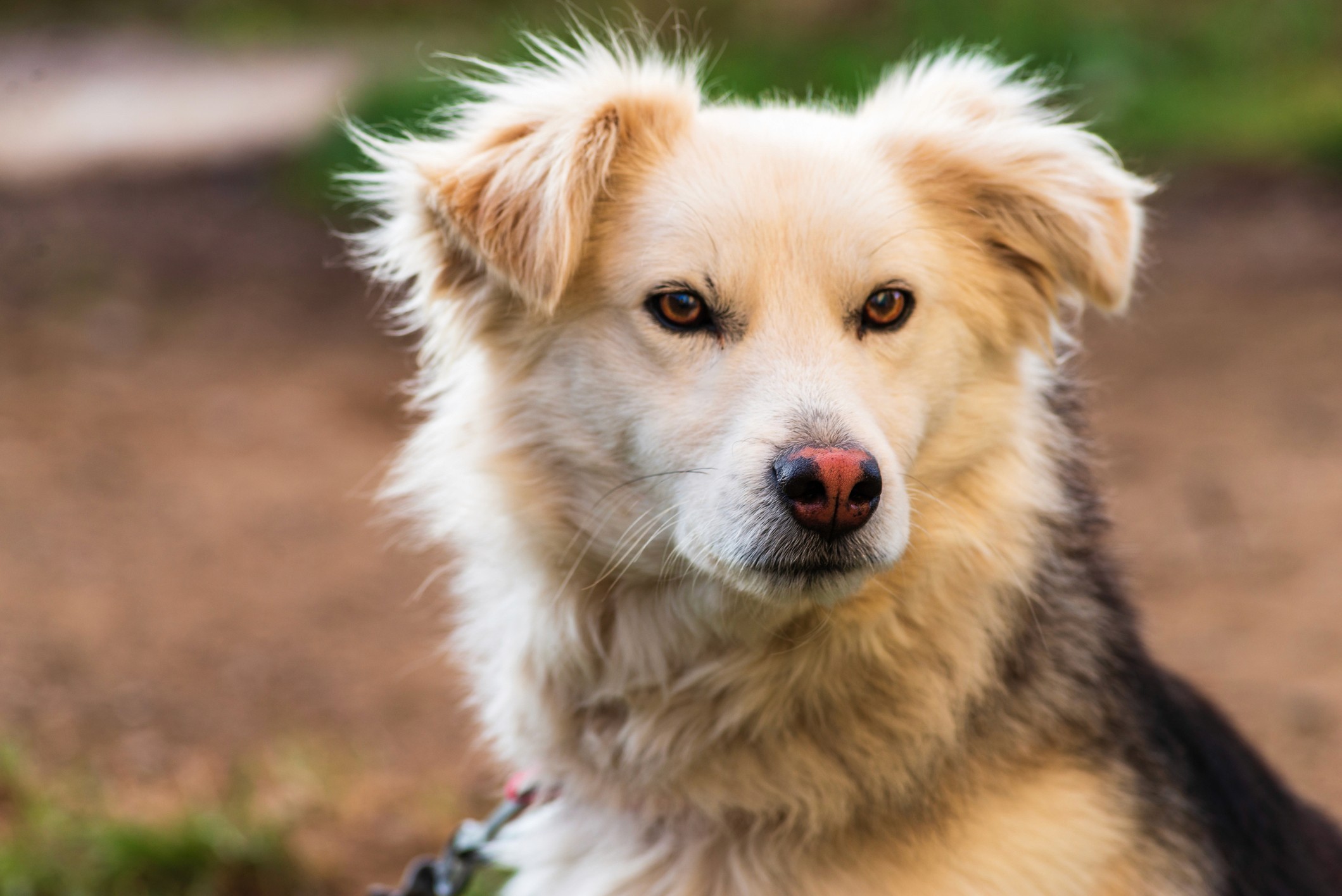
Size: medium-large, typically around 23–25kg under that thick protective coat
Life expectancy: around 10–13 years
Exercise: a working guardian that needs plenty of daily activity
Temperament: alert, devoted and naturally protective of its family
First the Atlas Lions, now the Atlas Mountain Dog. The Aidi is a sturdy, weatherproof guardian that has protected livestock and families in Morocco's mountains for centuries. They’re fearless, loyal and built for altitude. The Moroccan team’s nickname is a perfect fit!
🇪🇸 Spain: Spanish Water Dog
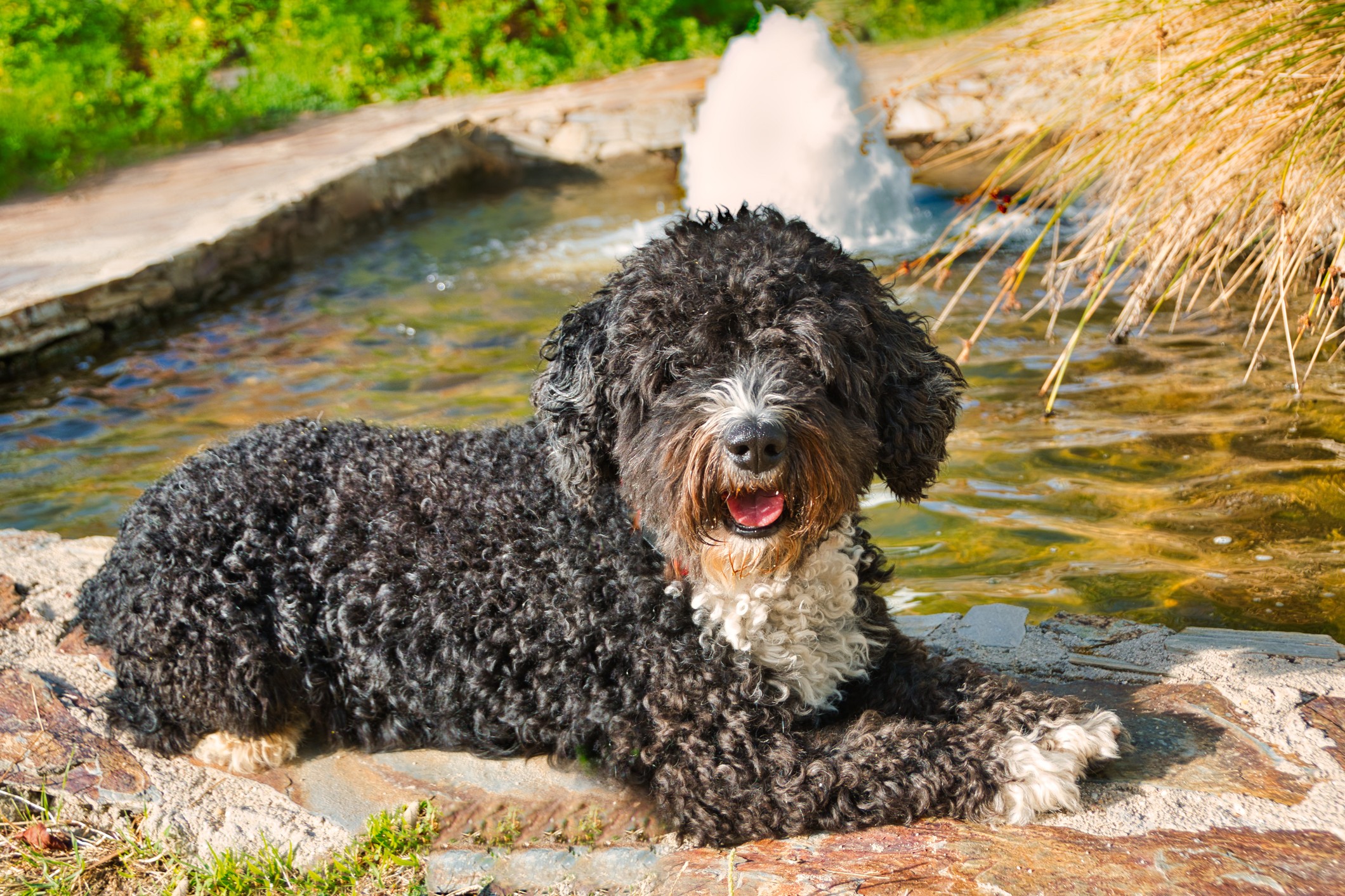
Size: medium, most weigh in around 14–22kg
Life expectancy: around 12–14 years
Exercise & temperament: high-energy and happiest with a job to do
Haven’t heard of the Spanish Water Dog? It’s a curly-coated all-rounder that spent centuries herding sheep in the morning and helping fishermen haul nets in the afternoon. Their work ethic is relentless. That distinctive woolly single coat is naturally water-resistant and never brushed, just left to cord naturally!
🇧🇪 Belgium: Belgian Malinois

Size: athletic and rangy, typically 20–30kg
Life expectancy: around 12–14 years
Exercise: two hours a day is a good starting point
Temperament: brilliant, intense and best suited to very experienced, very active owners
One of Belgium's four native shepherd breeds and arguably, the most capable working dog on the planet. A breed so clever, quick and driven that police and military units worldwide pick the Malinois as a partner. A quiet life doesn’t suit them as they need focus and plenty of exercise.
🇳🇴 Norway: Norwegian Lundehund

Size: small and nimble, usually around 6-7kg
Life expectancy: around 12–14 years
Exercise & temperament: lively and agile, with a curious, independent streak
One of the world's rarest breeds, only a few thousand exist. Fun fact: the Norwegian Lundehand has six toes on each foot. That’s not a typo. Bred to scale sheer sea cliffs hunting puffins, it evolved extra toes for grip along with astonishingly flexible joints. It can tip its head far back enough to reach its spine!
🏴 England: English Cocker Spaniel
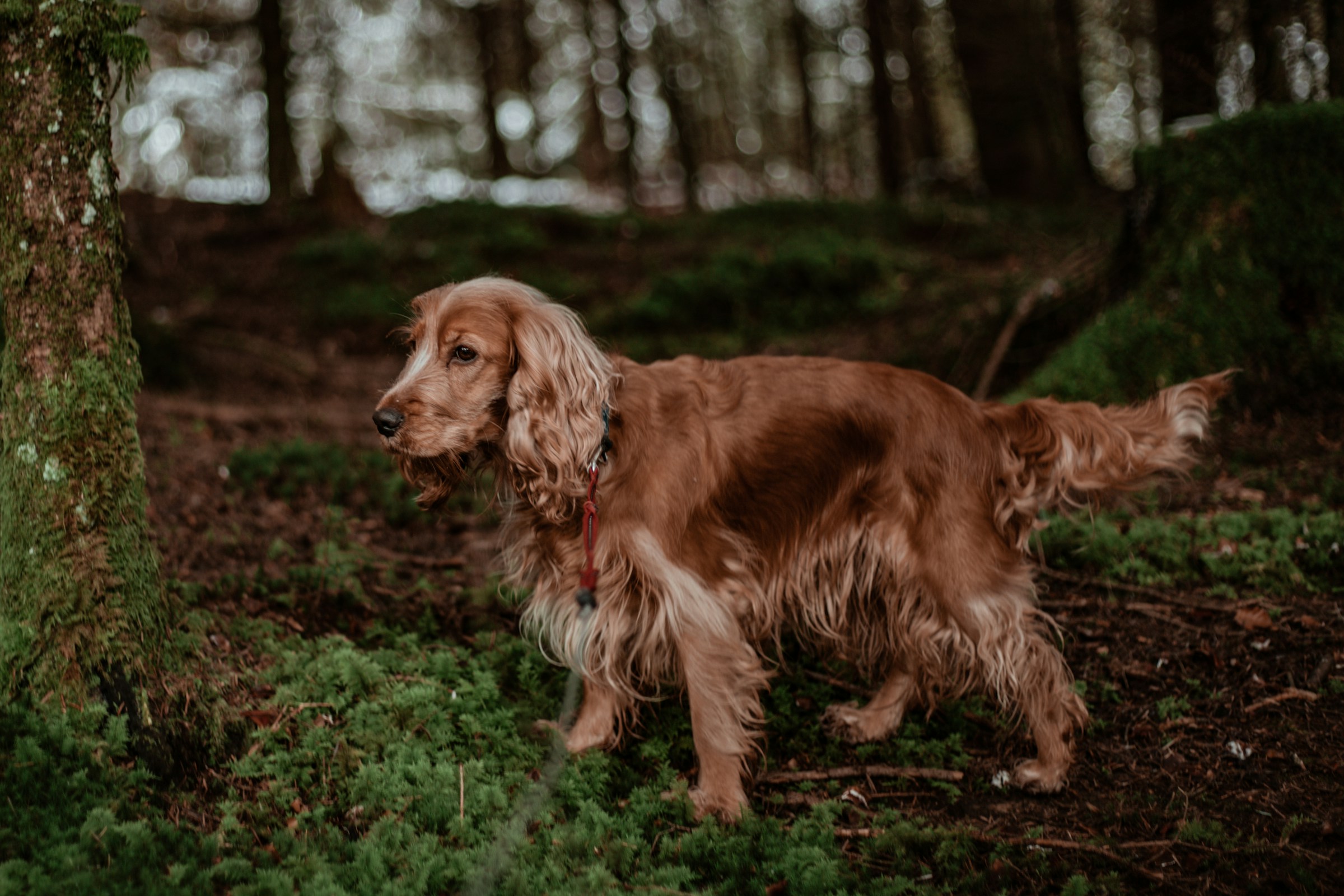
Size: medium, typically 12–15kg
Life expectancy: around 12–14 years
Exercise: an hour-plus a day, ideally with something to sniff out
Temperament: famously cheerful and affectionate
One of the UK’s most popular breeds, the "merry Cocker" has been England's sweetheart for over a century. Once a working gundog, the Cocker Spaniel swapped flushing woodcock (hence the name!) for fishing tennis balls out of hedges. That constantly wagging tail isn't a stereotype, it's a breed standard in spirit!
🇦🇷 Argentina: Argentine Pila

Size: from small lap-sized to medium, most are under 10kg
Life expectancy: often 15+ years, hairless breeds are frequently long-living!
Exercise & temperament: modest exercise needs, but needs plenty of love
A rare and remarkable dog. This hairless companion breed lived in north-west Argentina for centuries, prized as a warm, affectionate lap dog. Without a coat, the Pila actively seeks out warmth. Their bare skin needs sun cream in summer and a cosy jumper in winter. On matchdays, give them a blanket, a sunny window, or ideally your lap for the full 90 minutes!
🇨🇭 Switzerland: St Bernard
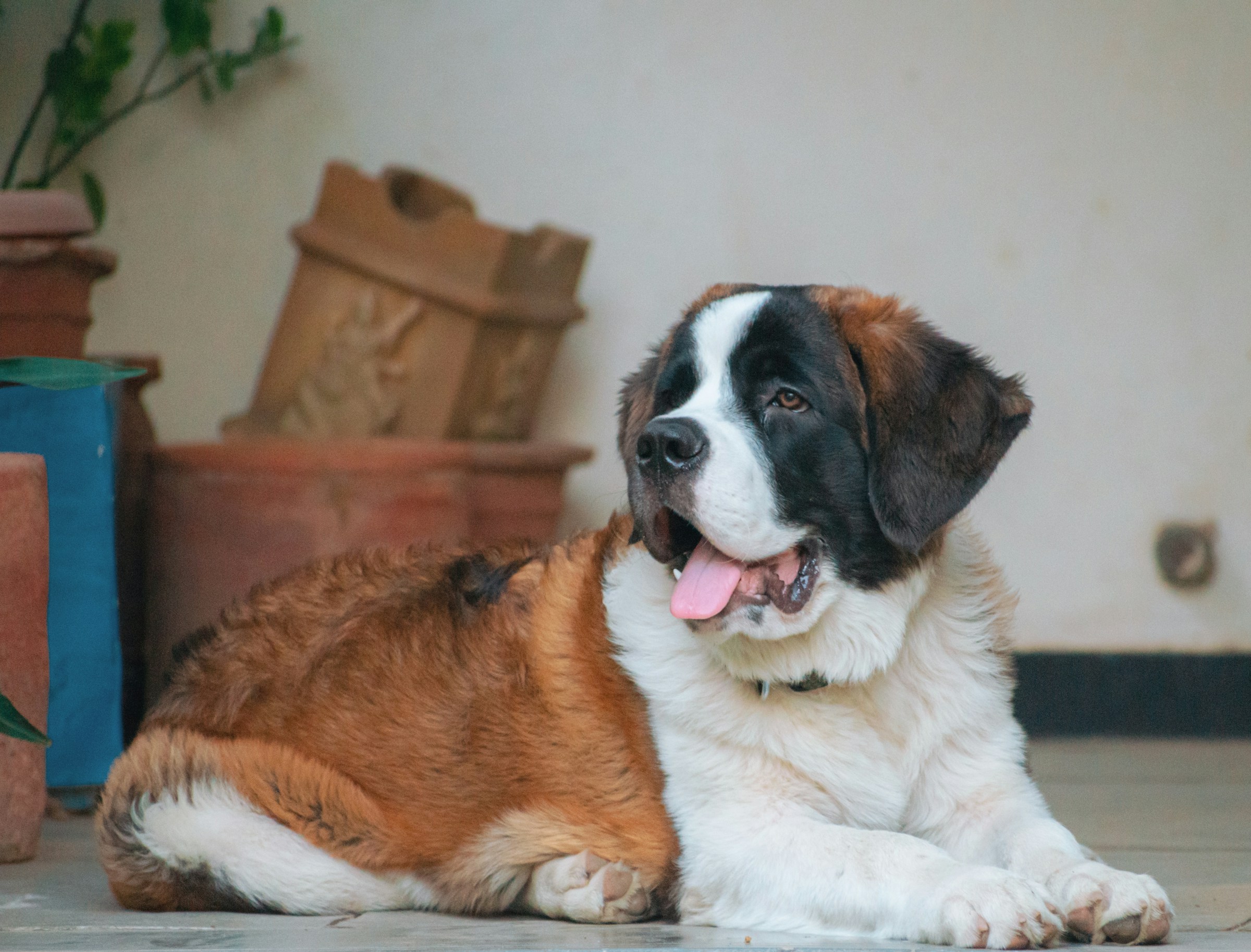
Size: giant, anywhere from around 65kg to over 100kg
Life expectancy: around 8–10 years, typical for giant breeds
Exercise: surprisingly moderate exercise needs
Temperament: famously patient, gentle and calm
The legendary gentle giant of the Alps, bred by monks at the Great St Bernard Pass to help find and rescue travellers lost in the snow. The most famous rescuer, Barry the St Bernard, is credited with saving more than 40 lives in the early 1800s. Big, calm and heroic, this dog breed is the defensive rock every squad needs. They’re pretty good at dribbling, too.