Wellbeing
How to keep your pet calm during fireworks and celebrations
The short answer
The best way to keep dogs and cats calm during fireworks and noisy celebrations is to prepare before it gets dark. Close windows and curtains, create a safe den or hiding spot, and play background noise or calming music. Keep your pet inside before the noise starts and never punish fear.
Big matches, street parties, Bonfire Night, New Year… so many celebrations arrive with a bang! Here’s how to get your dog or cat through a noisy night.
Why celebrations are so stressful for pets
Pets and loud noises don’t tend to mix well. Dogs and cats hear far more than we do, including sounds from much further away and noises at higher frequencies.
Loud bangs, celebratory cheers and even honking car horns can frighten our pets because of the unpredictability and difference in volume to our own ears. With no pattern to learn, it’s harder to adjust to sudden unexpected noises. A firework we hear as a distant crackle can be genuinely scary for our pets!
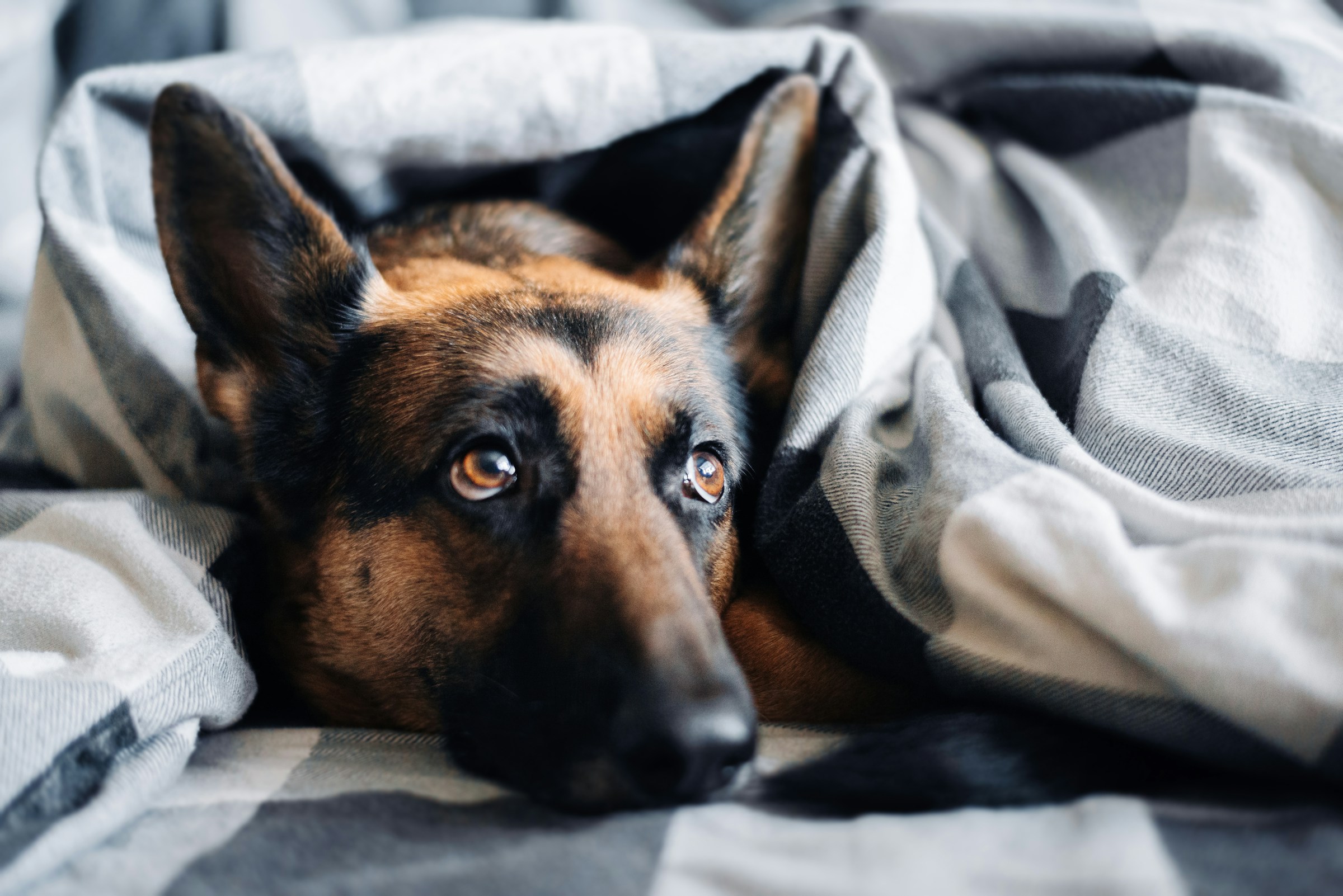
Stress looks different in each species. Dogs tend to show it by pacing, panting, trembling, barking, clinginess or hiding. As for cats, they usually go quiet - hiding, refusing food, flattening their ears, or bolting if they’re startled outdoors. A cat hiding under the bed is coping the only way they know.
What to do before the noise starts
A little preparation in daylight makes evening noise much easier for pets to deal with:
Walk your dog before dark, so they've been to the toilet and burned off energy before the first bang
Bring cats in before dusk and close the cat flap, as a startled cat left outside may bolt and struggle to find their way home
Feed pets earlier than usual, as many won't eat when they're anxious
Set up a cosy den, whether that’s a covered crate, a blanket over a table, or simply easy access to their favourite hiding spot stocked with their bedding
Put a litter tray, water and food somewhere quiet for cats, even if they normally go outside
Check their microchip details are up to date, as loud nights are peak season for pets going missing!
How to keep dogs calm during fireworks
Start by closing the windows and curtains before it gets dark and putting the TV or radio on at normal volume. Steady background sound helps to soften loud bangs. Let your dog choose where to settle (even if that's the bathroom floor!) and remember to act normally yourself. Don’t hover - it can make pets feel more anxious.
If your dog is scared of fireworks and comes to you for reassurance, comfort them. Some people believe comforting a frightened dog ‘rewards’ the fear, but that’s a total myth! Calm, low-key comfort reassures them. A long-lasting chew or stuffed food toy can also help some dogs self-soothe.
Punishment or frustration only makes things worse, so even if your dog keeps barking or pacing around, never tell them off. Need calming ideas? Our guide on how to calm a scared dog has plenty worth trying out.
How to keep cats calm during fireworks
The golden rule with cats? Let them hide. Dragging a frightened cat out from under the bed for a reassuring cuddle feels kind, but actually removes the one thing making them feel safe.
Instead, focus on keeping your cat indoors at night. Close curtains, keep doors and windows shut, and let them pick their safe spot. High perches and enclosed hideaways are cat favourites!
Sit near if they want company, but leave them to it if they don't. You can always check on your cat with food or a quiet word once the noise dies down, but don’t worry if they skip a meal.
How to keep pets calm when hosting a party
Guests plus noise can be overwhelming for pets! If your dog or cat is nervous, ask visitors not to fuss over them (as lovely as their intentions may be). Instead, give them a closed-off, quiet room away from the action that’s off-limits to visitors.
Enjoy your party, but keep an eye on the front door - scared pets can slip out unnoticed during celebrations! You’ll also want to make sure any party food is well out of your pet’s reach.
Signs there may be a bigger problem
On the night itself, focus on providing comfort and safety. If your pet's fear seems more severe (e.g. trembling for hours, destructive panic, peeing or pooing indoors, or still refusing food the next day), speak to your vet. Genuine noise phobia is treatable, but you won’t be able to fix it overnight.
If you’re worried, it’s worth looking into longer-term training like desensitisation, which takes weeks of gradual work with a behaviourist, but can make a real difference for helping with noise anxiety in pets.
Main takeaway
Prepare for celebrations in daylight, soften the noise, keep pets indoors and let them cope in whatever way feels safe and comfortable to them. That’s usually safe dens for dogs and hiding spots for cats. Celebrations are exciting (especially if you’re hosting a party!) but you should try to keep things calm and normal for your pet. A calm owner is their best signal that everything’s fine!