Wellbeing
Ask the vet
Heatstroke in cats: What are the dangers and why should you keep a cool cat
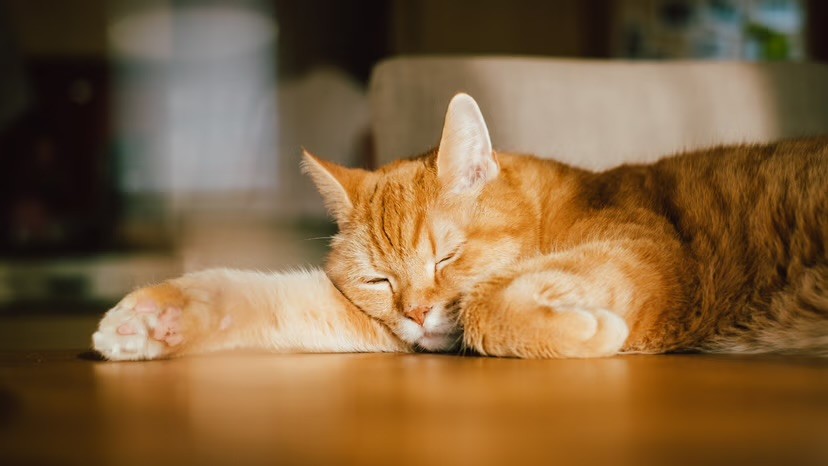
Cats love to sunbathe and your furry friend might take every opportunity to enjoy a cat nap in a warm puddle of sunshine. Although most cats love warmth, and their wild ancestors hailed from hot countries, they can still get too hot and develop heatstroke.
Heatstroke in cats is much less common than heatstroke in dogs. Some owners might not know that cats could even get heatstroke. However, this condition could be a risk to your cat's life so it's vital that owners learn to recognise the signs of heatstroke in cats and know what to do if their feline falls ill.
In our complete guide, we'll explain what heatstroke is, what causes it, the symptoms to watch out for, and what to do if you think your cat is suffering from heatstroke.
What is heatstroke in cats?
Heatstroke in cats, also called "hyperthermia", is a potentially life-threatening condition where your cat overheats and is unable to control their body temperature and cool down.
Cats have a healthy, normal body temperature of around 38°C to 39°C. If their body temperature rises above 40°C, it can have a serious impact on their body.
This abnormal rise in their body temperature can make them sick. It has the potential to damage various tissues in their body, causing neurological problems like seizures, and even organ damage or failure.
Because of the serious effects of heatstroke, it is considered a medical emergency. You must call your vet for advice as soon as possible, and try to cool your cat down.
What causes heatstroke in cats?
Heatstroke is caused by a cat becoming too hot. Cats can't regulate their body temperature very well, since they can't sweat or remove their fur coat. That means if it gets too hot, they can become unable to naturally lower their temperature, and their body starts to gain heat faster than it can lose it.
Cats aren't as likely as dogs to get heatstroke. This is because you're much less likely to exercise your cat outside in hot weather, or travel with your cat in a hot car.
However, a cat can still become too hot and get sick if the temperature is high. This is especially true if they stay in hot, poorly ventilated rooms like a conservatory.
Can cats get heatstroke inside?
Yes, cats can get heatstroke inside if the room they are in is hot, humid, or if it's not well ventilated. Some rooms, like conservatories, can let a lot of sunlight and warmth in and get very hot and stuffy. If your cat stays in there for too long it can cause them to overheat and suffer from heat stroke.
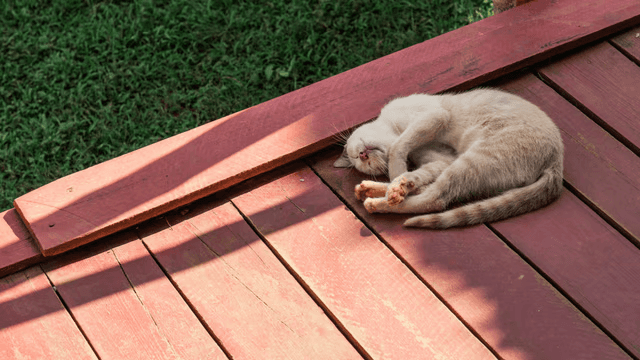
Are some cats more at risk of heatstroke?
Any cat can be affected by heatstroke, however, there are certain cats that are more at risk than others.
Firstly, young kittens are vulnerable to overheating because their bodies aren't fully developed and can't regulate heat as well as an adult.
Meanwhile, age-related health conditions can make very old cats more at risk of heatstroke.
Flat-faced (brachycephalic) cats, like Persians, are also at higher risk of heatstroke. This is because the physical shape of flat-faced cats, such as their short snouts, makes it harder for them to cool down.
To find out more about why flat faces make pets more vulnerable to certain conditions, like heatstroke, listen to our podcast with vet Dr Emma Milne.
Overweight or obese cats are also more at risk of heat stroke because the excess layers of fat insulate them and trap heat in their body.
Similarly, cats with very long or thick fur are also vulnerable to heat stroke because their fur keeps them warmer.
Signs of heatstroke in cats
Clinical signs of heatstroke in cats include:
Excessive panting
Drooling or foaming at the mouth
Lethargy
High temperature (More than 40°F)
Vomiting
Diarrhoea
Bright red or dark red tongue and gums
Confusion or disorientation
Uncoordinated movement
Tremors
Collapse
Seizures
If you notice your cat showing any of these signs of heatstroke, you must contact your vet for advice and try to gradually cool your cat down.
Treatment for heatstroke in cats
If you think your cat might be suffering from heatstroke, you must phone your vet for advice as soon as possible.
You can also offer some first aid to help cool your cat down before you get to the vet. Early treatment for heat stroke in cats could save their life.
How to cool your cat down:
Move them into a cool and ventilated area, into the shade if you're outside, or move them in front of a fan
If they're awake and alert, try to get them to drink some water (it helps cool them and prevent dehydration
Gently pour some cool water onto your cat, or stroke them with a damp cloth
Never use cold or ice water to cool your cat down as the cold will constrict their blood vessels, which prevents heat from escaping and makes them even warmer!
Once your cat stops panting, or once their temperature returns to normal, you can stop cooling them down.
Even if your cat seems back to normal, you must still take them to a vet for a check-up. Your vet will need to make sure they haven't suffered from any internal damage or organ damage as a result of heatstroke.
How to prevent heatstroke in cats
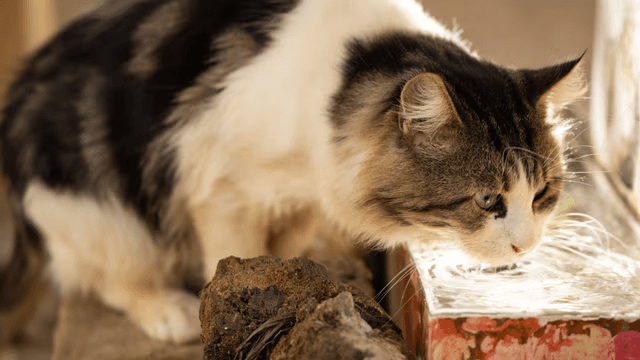
The key to preventing heatstroke in cats is making sure your feline stays hydrated and has cool areas to relax in. Here's how to keep your cat cool this summer:
Make sure your cat always has access to a bowl of fresh water they can drink from
If your cat doesn't drink a lot, try giving them wet food which contains a lot of moisture
Consider buying a water fountain to encourage them to drink more
Let your cat groom and wash themselves - this helps to remove loose fur and the damp saliva on their fur removes excess heat as it evaporates
Gently wipe your cat with a damp cloth - again, as the water on their fur evaporates it will remove excess heat
Brush your cat regularly to remove loose fur and keep them cool
Try to restrict playtime and exercise with your cat to the cooler morning and evening hours
Try to keep your cat indoors or in the shade when the sun is at its strongest (between 11am and 3pm)
Let your cat nap - snoozing helps them to regulate their temperature
Make sure your cat has cooler, shaded spots to sleep in - for example, a room with the curtains shut, a cold tiled floor, the bath, or sink
Consider buying a cool mat for your cat to sleep on
Wrap a frozen water bottle or an ice pack in a towel and let your cat sleep near it
Never leave your cat alone in an enclosed, poorly ventilated space such as cars or conservatories
Even though your cat might the warm weather, it's important you make sure they don't get too hot. By following these tips, you can help to keep your cat cool and comfortable this summer and prevent avoidable, and potentially deadly, illnesses like heatstroke.