Save 5% with multi-pet discount.
Breed guides
Everything you need to know about Dobermans
Summary
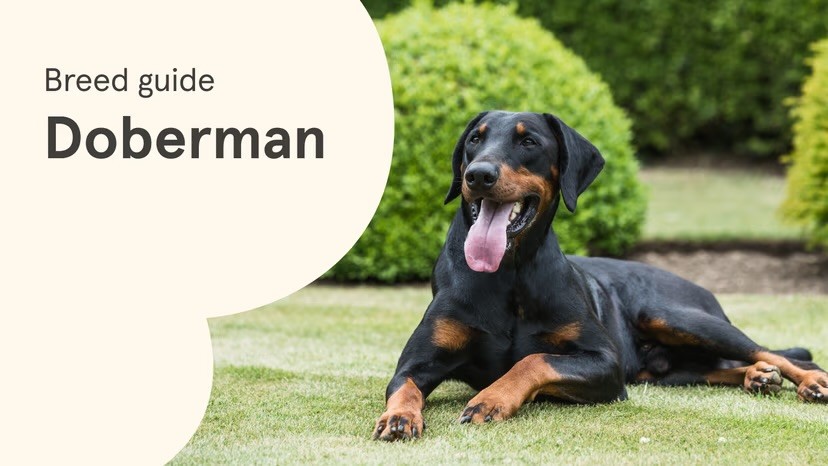
Dobermans are known for their loyalty and intelligence. They're often associated with protective roles, but they can also be loving companions.
Key stats
Height: 63 to 72cm
Weight: 32 to 45kg
Size: Large
Lifespan: 10 to 13 years
Coat: Short, smooth
Exercise: 2 hours daily
Grooming: Weekly
Temper: Docile, intelligent, even-tempered
Breed history
The Doberman's history begins in Germany during the late 19th century. Louis Dobermann, a tax collector, wanted to create the perfect guard dog. If you hadn't guessed already, the name "Doberman" comes from his surname.
He wanted a fierce-looking dog to protect him from robbers and thieves while he was working. It had to look intimidating to scare thieves away, but also strong enough to defend him if someone tried to rob him. To do this, he bred different dogs, including Rottweilers, Greyhounds, and Weimaraners together to create his ideal guard dog.
As the breed evolved, breeders refined the mix to enhance traits like intelligence, loyalty, and agility. Today, responsible breeding focuses on maintaining the Doberman's unique look and traits but also making sure they're healthy and ethically looked after. So no more ear-docking!
You might sometimes see them called "Doberman Pinschers", but these are the same breed. The addition of "Pinscher" comes from the German word for terrier, because of the breed's tenacious and alert qualities. Most people use "Doberman" because it's shorter and easier.
Appearance
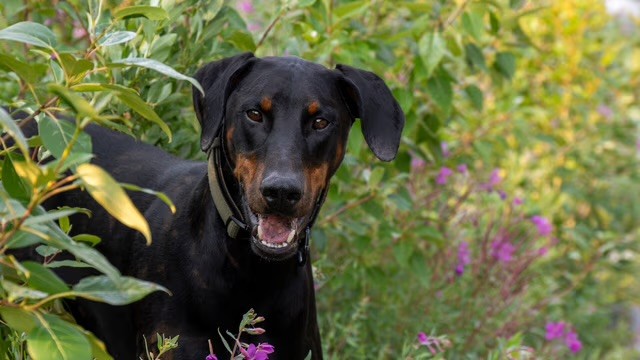
The Doberman's appearance is a striking blend of strength and elegance. They have a muscular body and a regal stance, which makes them look confident and strong. Their short, smooth coat makes their muscular build even more obvious. And makes them look slim and sleek. Their neck is arched, leading to a deep chest and a sleek, tapered abdomen.
They have a strong jawline, and dark, expressive eyes that reflect their intelligence. They often have a tan or red spot or eyebrow above their eye, making them expressive.
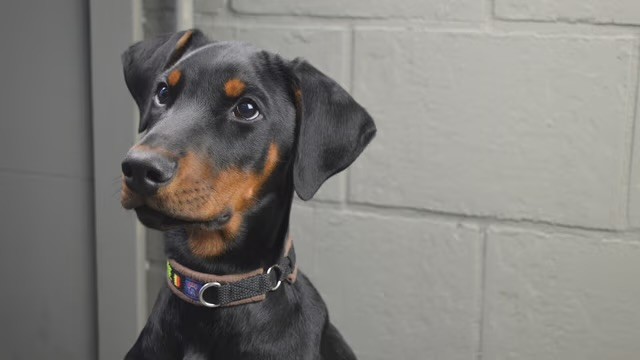
You might know Dobermans for having pointed and upright ears. But this is not their natural look, and is created by docking their ears. Ear docking is an inhumane practice purely for aesthetic reasons, as people believe it makes the dog look more alert or intimidating. However, ear docking is illegal in the UK. A Doberman should have naturally triangular, drop ears. A bit like a Labradors!
Similarly, their tails were often docked but this too is illegal in the UK. Their tail should be slim, medium-length, and taper towards the end. It often curls up towards their back too.
Doberman colours
There aren't many Doberman colours. No matter what colour your Doberman is, their fur will always have rust areas. Some Dobermans can also have white markings on their chest, paws, and face.
The breed standard Doberman colours are:
Black and rust
Blue and rust
Fawn and rust
Red and rust
Doberman temperament
The typical Doberman is docile, gentle, and even-tempered. They're friendly dogs and bond closely with their family, being very affectionate with their humans. When they're not working, they love to chill out and have a cuddle.
Dobermans are super smart and loyal. Once they're part of the family, they're protective too. But, they need training and socialising from a young age to be their best. If not, they might get bored or anxious, and that can lead to some behavioural issues. It's also important because they can be wary of strangers, which is only natural for a guard dog!
Although they are working dogs, don't expect a super-obedient pooch. They were meant to be guardians, so had to be independent and alert to watch for danger. Be prepared to work on their socialisation and recall. Given how big and strong they are, teaching them to walk on a loose lead will be important too.
How much exercise does a Doberman need?
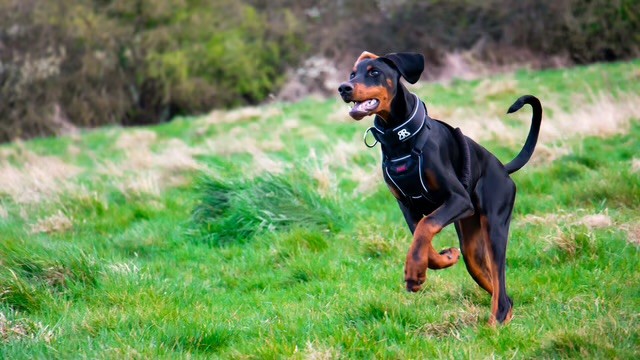
Dobermans need at least 2 hours of exercise each day. They'll have a great time going on long walks or hikes with you. It's important to have a big fenced area where they can run around. Also, doing doggy sports like obedience, tracking, and agility is a fun way to keep their minds and bodies active.
How to groom a Doberman
Since Dobermans have a short, smooth coat, they don't need a lot of grooming. Just a quick brush once a week will keep them looking good, and help to remove and dirt in their fur.
Otherwise, just remember to do all the normal doggy hygiene checks. Clip their claws once a month to prevent them from overgrowing or splitting. Clean their teeth regularly to prevent dental disease and bad breath. And finally, check their ears every few weeks to make sure there's no sign of dirt or infection.
Common Doberman health problems
Heart disease
Dilated cardiomyopathy (DCM) is a concern in Dobermans and can lead to heart failure. Regular check-ups are vital to detect of any symptoms early that may indicate heart disease. If they're diagnosed, starting medication before the heart starts to fail has been proven to improve the quality of life and help them live longer.
Joint issues
Hip dysplasia is a common Doberman health problem because most large breeds are prone to it. This is when the hip joint doesn't fit together properly. This causes pain, stiffness, and eventually, arthritis.
Wobbler syndrome
This neurological condition affects the spine and neck, leading to pain, weakness in the hind legs and coordination issues. Some dogs may need surgery.
Von Willebrand disease
This is an inherited disease that prevents blood clotting because of a missing protein. This means that Dobermans can bleed heavily, even after minor trauma or surgery. They may spontaneously bleed into the bladder or gut or from their gums or nose. If your dog is having a planned surgical procedure, your vet will discuss testing for this condition.
Bloat
Like all deep-chested dogs, Dobermans can develop gastric bloat. This is a condition where the stomach twists and fills up with gas, which is potentially fatal. Emergency surgery is needed, but sadly is not always successful. Avoiding intense exercise after meals can reduce the risk.
Hypothyroidism
Dobermans are prone to having an underactive thyroid gland. This can cause weight gain, lethargy, hair loss and feeling cold. It's treatable with lifelong medication.
Skin masses
Like all dogs, Dobermans can get growths all over the body. They can develop skin masses called mast cell tumours which need to be removed surgically.
*Average time to settle all claims between May and November 2025
Napo Limited is registered in England and Wales (company number: 13281620). Our address is 2 Jubilee Place, London, SW3 3TQ. Napo is a trading name of Napo Limited who, for the purposes of insurance, is authorised and regulated by the Financial Conduct Authority (ref: 994239). Our entry on the Financial Services Register can be checked for details of our permissions. We are also registered with the Information Commissioners Office in relation to the processing of personal information (reg. no: ZB073689). Defaqto 5 Star Rating applies to Napo £4,000 pet insurance.
What we cover is subject to terms and conditions in our policy.
4.5 Excellent